How to Get Over a Friendship Breakup (Why It Hurts So Much)
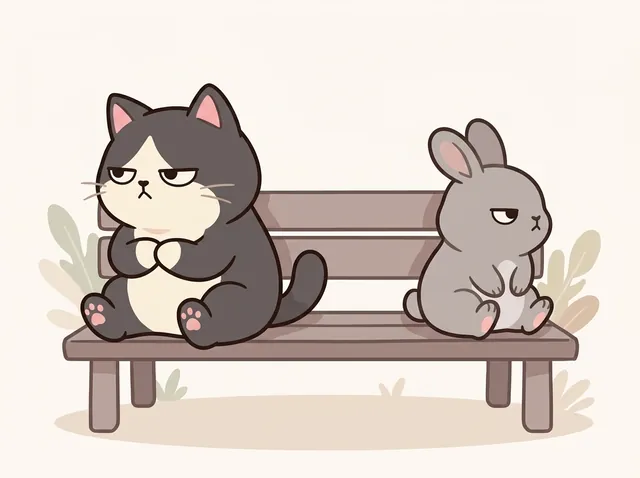
A friendship breakup can hurt as much as a romantic one, and sometimes more. You lose the person you told everything to, the in-jokes, the plans, and often part of your social life. And there's no script for it. Nobody sends flowers when you break up with your best friend.
This guide covers why the end of a friendship hurts so much, what research says about how friendships end, and how to get over a friendship breakup step by step, whether you ended it, they did, or it just faded.
The short answer
Treat it as a real loss and let yourself grieve it. Decide what the ending is, even if they never say it. Take some distance from their messages and their profile for a while, handle shared friends with a few simple rules, and put your energy back into the people who are still here.
Why does a friendship breakup hurt so much?
Because a close friend is part of your daily life and part of who you are. Losing them changes your routine, your support system and sometimes your friend group all at once.
It also hurts because it's rarely taken seriously. People understand a romantic breakup. A friendship ending often gets a shrug, or "you'll make new friends." That gap between how much it hurts and how little support you get can make it feel lonelier.
Research on friendship breakups is still young, and much of it studies teenagers, but the findings ring true for adults too:
- They're common. In a study of 354 middle school students, 86% had been through at least one friendship ending. Conflict or betrayal was the most common reason (Flannery and Smith, 2021).
- The feelings are mixed. The same students felt a mix of sadness and relief or happiness after a friendship ended. How they felt depended on why it ended, how it ended and who did the "breaking up" (Flannery and Smith, 2021).
- Sadness often outweighs anger. In a study of 77 sixth graders, young people reported more sadness than anger after a best friendship ended. Those whose best friendship had cooled into an ordinary friendship, and who had no best friend now, were lonelier (Bowker, 2011).
So if you feel sad and relieved at the same time, or angry and still missing them, that's normal. Mixed feelings don't mean you made the wrong call.
How do friendships end?
Most friendships don't end with one big conversation. They end by distance.
In the teenage study above, avoidance was the most common way friendships ended (Flannery and Smith, 2021). In a study of 179 young adults, researchers found three kinds of behaviour that weaken or end a friendship: ending it completely, pulling back, or keeping the friend only in one part of life. When a friend had done something wrong, people were more likely to pull back or end it. When their goal was to stay friends, they were less likely to do either (Khullar and colleagues, 2021).
Distance does a lot of quiet work. In a study of 251 women, researchers described communication as what keeps relationships from fading over time, and they found that keeping up friendships costs more effort than keeping up family ties (Roberts and Dunbar, 2011). An older study of 90 young adults found that best friendships were seen as less affected by less contact than close friendships (Rose and Serafica, 1986). That may be part of why a best friend breakup feels like such a shock: you expected that bond to survive anything.
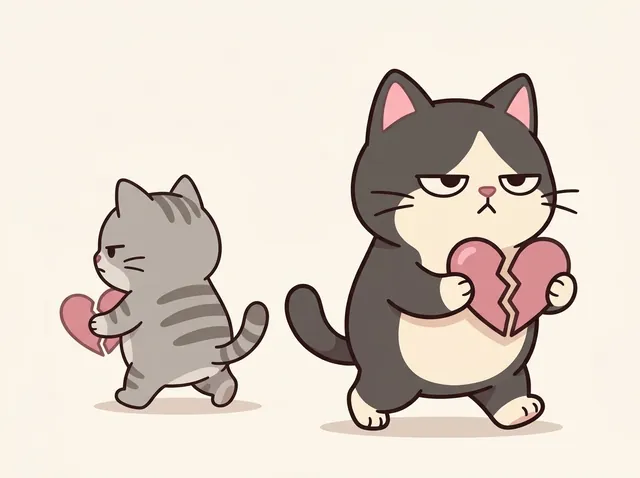
How do you get over a friendship breakup?
- Call it what it is. Say it to yourself: "I lost a close friend, and it hurts." Grief for a friend is still grief. You don't need anyone's permission to feel it.
- Decide the ending yourself. If it faded, you might never get a clear goodbye. You can decide that it's over, or that it's paused, without waiting for them to agree.
- Take a break from contact and checking. Mute their accounts for now. Watching their life go on without you, through stories and group photos, keeps the wound open. You can unmute later when it stings less.
- Write what you'd like to say, and don't send it yet. Write down what you're angry about, what you miss and what you wish you'd said. Writing it often settles the urge to send it. If you still want to say something in a week, you'll say it more calmly.
- Plan for the moments you'd have texted them. Most people have a few: good news, bad news, a funny thing they'd love. Make an if-then plan: "If I want to tell them something, I'll tell my sister instead," or "I'll write it down."
- Remember it honestly. Not just the best years. Was it one-sided? Did it leave you drained? Did you keep making excuses for them? Write down the parts you'd rather forget, next to the good parts.
- Reach toward other people. This matters more than it sounds. A large review found that loneliness and social isolation were linked with a higher risk of early death, at levels comparable to well-known health risks (Holt-Lunstad and colleagues, 2015). You don't need a new best friend tomorrow. Message one person this week. Say yes to one plan.
How do you break up with a best friend kindly?
If you're the one ending it, you have three honest options, and you can pick the one that fits.
- Let it shrink, not vanish. If nothing serious happened and you've just grown apart, you can see them less and keep things friendly. This is the most common path, and it's fine.
- Tell them, briefly. If they keep reaching out and you know it's over, a short, kind message is better than slow silence. Something like: "I've been feeling we've grown apart, and I need some distance. I'm grateful for our friendship and I wish you well." You don't owe a list of every hurt.
- End it clearly. If they betrayed you, hurt you, or the friendship is harmful, you can end it fully. You can be clear without being cruel.
Ghosting a close friend usually leaves both of you with questions. If you can, give a short ending. If it isn't safe or wise to talk, you don't have to.
Should you go no contact with a friend?
Sometimes, yes. If every message pulls you back into the same hurt, or if they treated you badly, a set period of no contact gives you room to heal. Thirty days is a good start. It doesn't have to be forever.
If you share a school, a job or a group, you can keep things polite and short in person and still stop the private messages. If the thought of reconnecting comes up later, our guide on forgiving someone who hurt you is written about exes but works for friends too.
What about shared friends?
This is often the hardest part of a friendship break. A few rules help:
- Don't ask mutual friends to pick a side.
- Don't ask them for updates on your old friend.
- Keep your version short if asked: "We've grown apart, and I'd rather not get into it."
- Expect some awkward group events, and leave early if you need to.
Our guide to mutual friends after a breakup goes into more detail. It's written for exes, but most of it applies here.
Will the friendship ever come back?
Sometimes. Some friendships end for a season and return years later, when life has changed. Others don't. You can leave the door open in your own mind without waiting at it. If you notice you're spending your days hoping for a message, that's a sign to close it for now and focus on your life. Our guide on getting closure covers how to give yourself an ending when the other person won't.
When to get help
If the loss leaves you very lonely, struggling to sleep or eat for weeks, or with thoughts of harming yourself, please talk to a doctor or mental health professional, or contact a local helpline. Our guide on loneliness after a breakup has more ideas for rebuilding connection.
How OverYou helps
OverYou is built for romantic breakups, but some tools work for anyone you're trying not to contact. The no contact streak gives the distance you chose something to hold onto. "I'm tempted" asks for a 30-second pause before you message them, and "Don't Send It" lets you write what you want to say without it ever leaving your phone. It's self-care, not therapy.
Sources
- The Journal of Early Adolescence (2021). Breaking Up (With a Friend) Is Hard to Do: An Examination of Friendship Dissolution Among Early Adolescents
- The Journal of Early Adolescence (2011). Examining Two Types of Best Friendship Dissolution During Early Adolescence
- Journal of Social and Personal Relationships (2021). Relationship dissolution in the friendships of emerging adults: How, when, and why?
- Personal Relationships (2011). Communication in social networks: Effects of kinship, network size, and emotional closeness
- Journal of Social and Personal Relationships (1986). Keeping and Ending Casual, Close and Best Friendships
- Perspectives on Psychological Science (2015). Loneliness and Social Isolation as Risk Factors for Mortality: A Meta-Analytic Review
Frequently asked questions
Why does a friendship breakup hurt so much?
A close friend is part of your routine, your support and your identity, so losing them changes a lot at once. It also gets less sympathy than a romantic breakup, which can make it lonelier.
How do you break up with a best friend?
If you've simply grown apart, you can let the friendship shrink and stay friendly. If they keep reaching out, a short, kind message saying you need distance is usually better than slow silence.
How long does it take to get over a friendship breakup?
There's no set time, and research hasn't measured it for adults. It usually gets easier once you stop checking on them and put your energy into other friendships.
OverYou is an app for keeping no contact: a streak, a 30-day program, a 30-second pause for when the urge hits, and a place to write the text instead of sending it. Get it on the App Store or Google Play, or see how it works.